Coffee tasting notes explained: how to read a flavor profile

Every specialty coffee bag has tasting notes. But what do they actually mean and how do you find them yourself?
You pick up a bag of specialty coffee and read: citrus, dark chocolate, light floral notes. You brew it, taste it, and think: where do they get that from? That is a completely normal reaction. The coffee tasting notes on a bag are not marketing. They are the result of a standardised tasting process that took years of research to develop.
Here is how it works, and how you can taste more of it at home.
What a coffee flavor profile is and how it is built
A coffee flavor profile is a description of the taste and aroma characteristics of a specific coffee. Professional tasters evaluate coffee through a method called cupping: coffee is brewed under standardised conditions, cooled to a set temperature and then systematically assessed for aroma, flavor, acidity and body.
The coffee tasting notes that result from this are not added flavors. They are the result of the chemical composition of the bean, which in turn is determined by origin, altitude, processing method and roast level. A coffee from Mexico grown at high altitude and lightly roasted can naturally have notes of citrus and nuts. Nothing is added. It is in the bean.

How coffee tasting notes come about
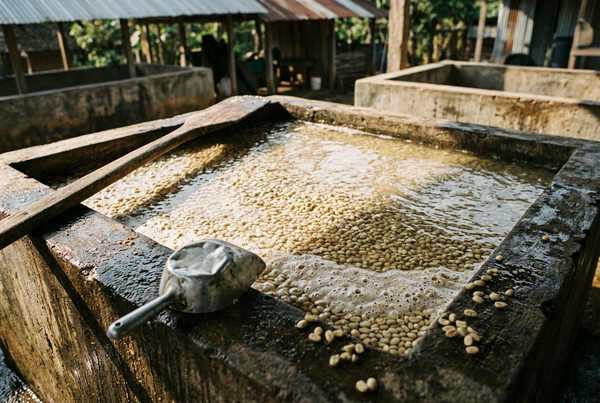
Coffee contains thousands of volatile compounds that together determine the coffee aroma and flavor. Which compounds are dominant depends on three factors. First the growing environment: altitude slows the ripening of the coffee bean, allowing more sugars and flavor compounds to build up. Higher altitude generally produces fruitier and more complex coffee aroma. Second the processing method: wet-processed beans have a cleaner, brighter flavor while dry-processed beans deliver more fruit and body. Third the roast: lighter roasting preserves the original flavor notes of the bean, darker roasting masks them with caramel and bitter notes.
The SCA and World Coffee Research developed a standardised flavor wheel with 110 attributes, from floral and fruity to nutty, smoky and spicy. Tasters use this wheel to describe coffee tasting notes in a shared language.

How to taste coffee more consciously at home
How to taste coffee is not a special skill. It is attention. A few concrete steps help you taste more than you normally do.
Start by smelling the coffee before brewing, right after grinding. The coffee aroma of freshly ground beans is most pronounced and already gives a first impression of the profile. Floral, fruity or more nutty?
Then take a small sip and let the coffee rest on your tongue for a moment before swallowing. What do you taste first? Sour, sweet, bitter or a combination? Where do you feel it in your mouth: at the front, the back, everywhere? Those are clues to the coffee flavor profile.
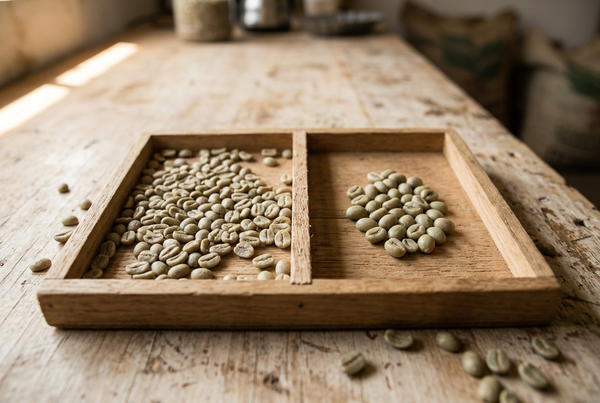
The easiest way to learn flavor is to compare. Brew two different specialty coffee tasting options side by side. The differences become much clearer than when you taste a bean in isolation. What one coffee has and the other does not, that is exactly the coffee flavor profile.
Curious about the flavor profile of Mexican coffee?
Santo Café comes from Mexico, bought through an importer we trust.

This single-origin Arabica features a distinct profile that rewards mindful tasting. If you want to discover what’s truly in your cup, this is the perfect place to start.

Taste our coffee from Mexico
Freshly roasted, delivered to your door.