
Cold brew coffee explained: what it is and how to make it
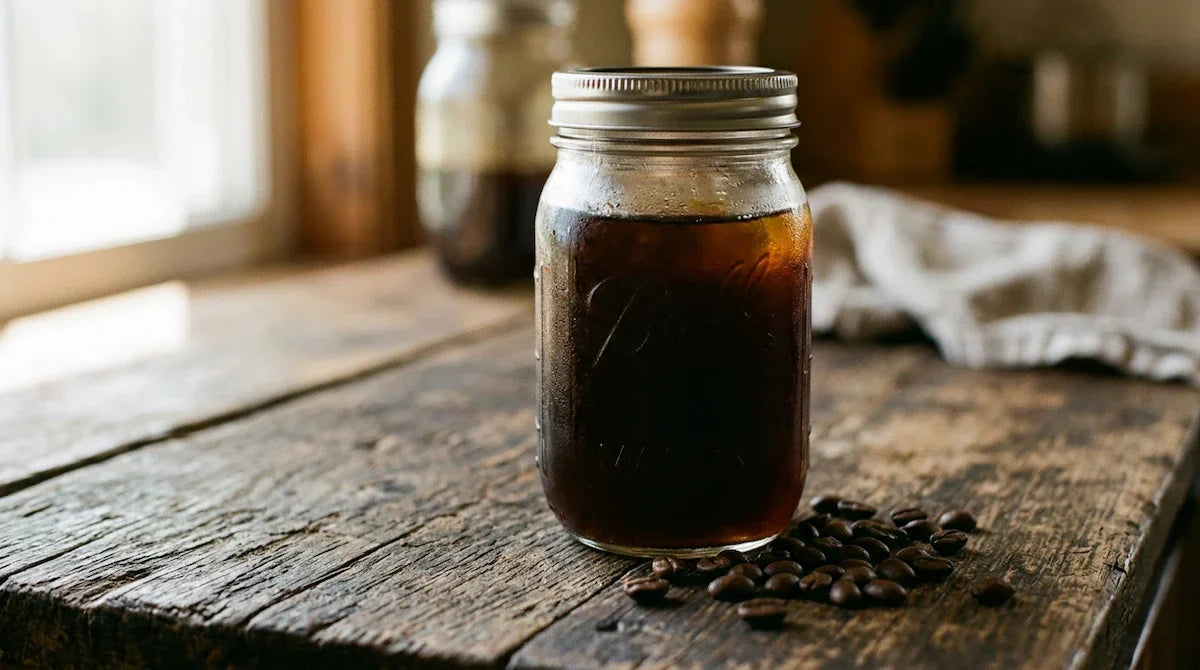
Cold brew coffee is not brewed with heat but with time. That changes everything about the flavour.
Cold brew coffee has grown over the past years from a niche product into one of the fastest-growing segments in the coffee world. Major chains offer it, supermarkets fill their fridges with it and home brewers discover it is surprisingly easy to make. But what makes cold brew coffee different, and why is its popularity growing so fast?
Cold brew vs iced coffee: not the same thing
The biggest misconception about cold brew coffee is that it is simply coffee with ice. That is iced coffee: hot-brewed coffee that is then chilled. Cold brew vs iced coffee is a fundamentally different production process. With cold brew, coarsely ground coffee beans are steeped in cold or room temperature water for 12 to 24 hours. No heat, only time.
That makes a big difference to the flavour. Because no heat is involved, the acids that are activated during hot brewing are not released. Cold brew coffee therefore has a noticeably lower acidity, a rounder flavour and notes of chocolate and nuts that are less pronounced in hot extraction. For people with a sensitive stomach that is an added advantage. Specialty coffee works exceptionally well for cold brew because the subtle flavour notes of the bean are preserved well without heat.
The cold brew trend: why it is growing so fast
The cold brew trend is not an accidental hype. A few factors explain the growth. First the flavour: the smooth, low-acid taste appeals to a broader audience than classic iced coffee. Second the convenience: cold brew keeps for days in the fridge, so you can make it in bulk and have it ready every morning. Third the rise of ready-to-drink coffee in cans and bottles, where cold brew has become the most popular format.

The cold brew trend has also reached the specialty coffee world. Small roasters and specialty bars offer single origin cold brew where the origin of the bean comes through better in cold extraction than in espresso. The cold brew format is therefore seen not just as a refreshment but as a serious flavour experience.
Cold brew caffeine and how to make cold brew at home
There are misconceptions about cold brew caffeine. The concentration in the brew is higher than in filter coffee, but once you dilute cold brew with water or milk you end up with a comparable caffeine level to a regular cup of coffee. Undiluted cold brew concentrate is indeed stronger. Those who do not want that simply dilute more generously.
How to make cold brew at home is simpler than it seems. You need: coarsely ground coffee, cold water and a jar or French press. Ratio: 1 part coffee to 8 parts water. Steep for 12 to 18 hours in the fridge, strain out the grounds and keep the brew refrigerated for up to two weeks. That is all you need. The caffeine effect remains fully intact, the acidity largely disappears.
Curious what cold brew coffee tastes like with a good bean?
Santo Café comes from Mexico, bought through an importer we trust. Single origin Arabica with a naturally low acidity that comes through particularly well in cold brew.

If you want to discover what cold brew does with a good bean, this is a good place to start.

Taste our coffee from Mexico
Freshly roasted, delivered to your door.


