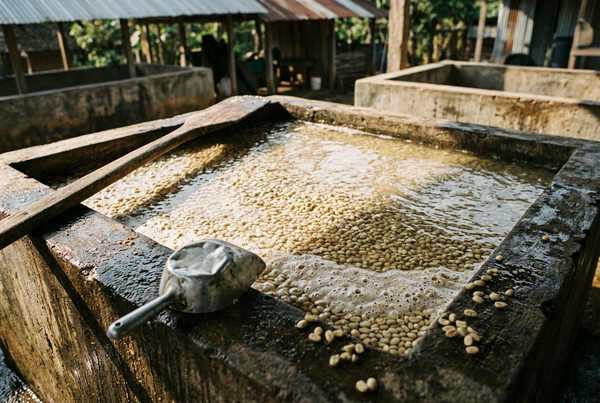
What is caffeine and how does it actually work in your body
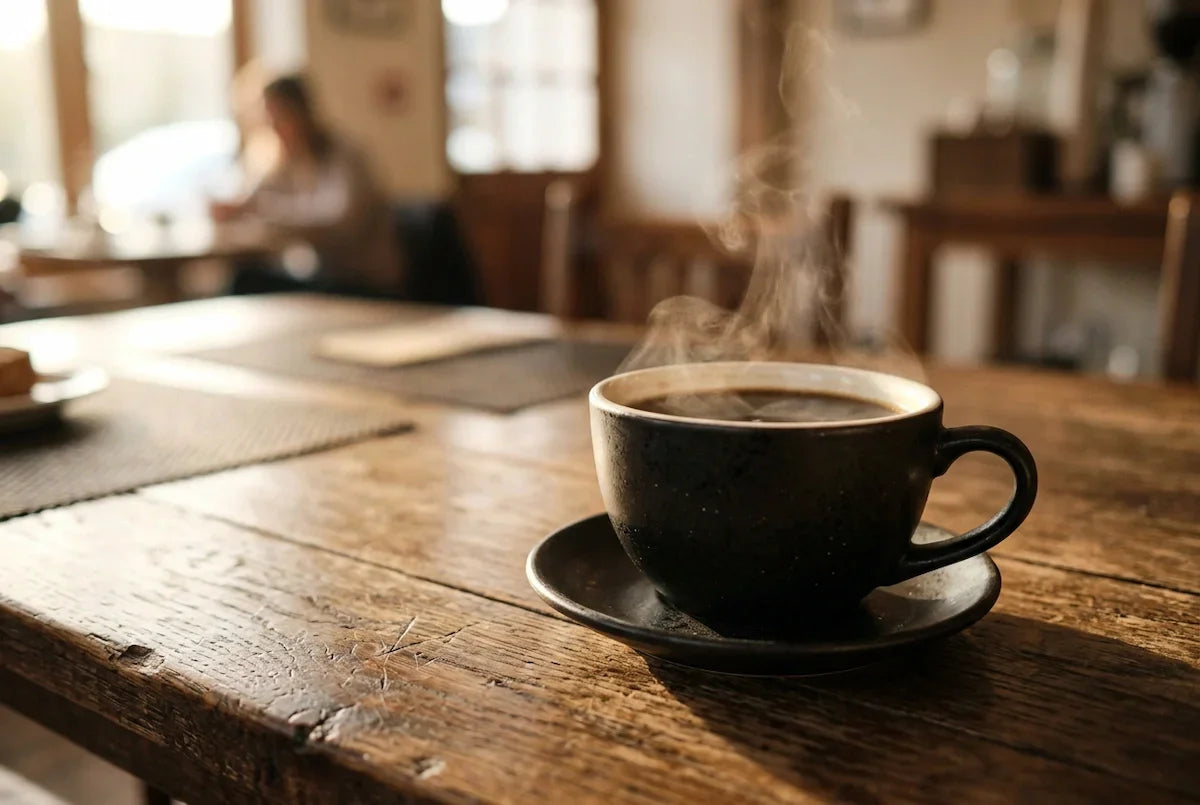
Caffeine does not give you energy. It just blocks the signal that tells you you are tired.
Caffeine is the most consumed psychoactive substance in the world. Billions of people start their day with it, often without really knowing how it works. And that is remarkable, because the caffeine effect is surprisingly specific.
Here is what caffeine actually is, what it does and why your body responds less to it over time.
What is caffeine chemically
Caffeine is a methylxanthine, a substance that occurs naturally in coffee beans, tea leaves, cacao pods and guarana berries. It is a bitter, water-soluble compound that is quickly absorbed by the small intestine after consumption and circulates throughout the entire body, including the brain, within 45 minutes.
What sets caffeine apart from most other stimulating substances is the precision with which it works. It binds to adenosine receptors in the brain and thereby blocks a specific sleep signal. It does not give you extra energy in the sense of calories or fuel. It temporarily removes the signal that tells you you are tired.
How caffeine effect via adenosine works
Adenosine is a substance your brain produces throughout the day as a byproduct of cell activity. The longer you are awake, the more adenosine accumulates. When adenosine binds to its receptors, you become sleepy. That is the biological brake your body uses to send you to bed.
Caffeine has a molecular structure that closely resembles adenosine. It fits on the same receptors but does not activate them. It just sits there, like a key that fits the lock but does not turn. As long as caffeine occupies the receptor, adenosine cannot do its work. That is the whole trick. Caffeine also affects other substances in your brain; how strongly varies from person to person. Read more about coffee before exercise.

How much caffeine is in coffee
Caffeine in coffee varies considerably depending on the bean type, the brewing method and the amount of coffee used. An average cup of filter coffee of 200 ml contains between 80 and 150 milligrams of caffeine. An espresso of 30 ml typically contains 40 to 75 milligrams, less per cup but more per millilitre.
Arabica beans naturally contain less caffeine than Robusta. Arabica averages 0.8 to 1.5 percent caffeine by weight, Robusta 1.7 to 3.5 percent. That difference is noticeable: an espresso based on Robusta generally feels heavier and more bitter than an Arabica variant. How coffee caffeine content plays out per cup also depends on grind size, water temperature and extraction time.
How tolerance builds up
With regular use the body adapts. The brain responds to the constant blocking of adenosine receptors by creating more receptors. More receptors means the same amount of caffeine has less effect. That is tolerance buildup at its core: your body raises the threshold.
Someone who goes without caffeine for a week notices that sensitivity returns. The brain normalises the number of receptors again when the constant blockade is removed. That is also why a deliberate caffeine break, sometimes called a reset, means that a cup of coffee afterwards feels stronger again. The caffeine body relationship is dynamic and adjusts to what you are used to.