
Ready to drink coffee: why RTD coffee is growing so fast
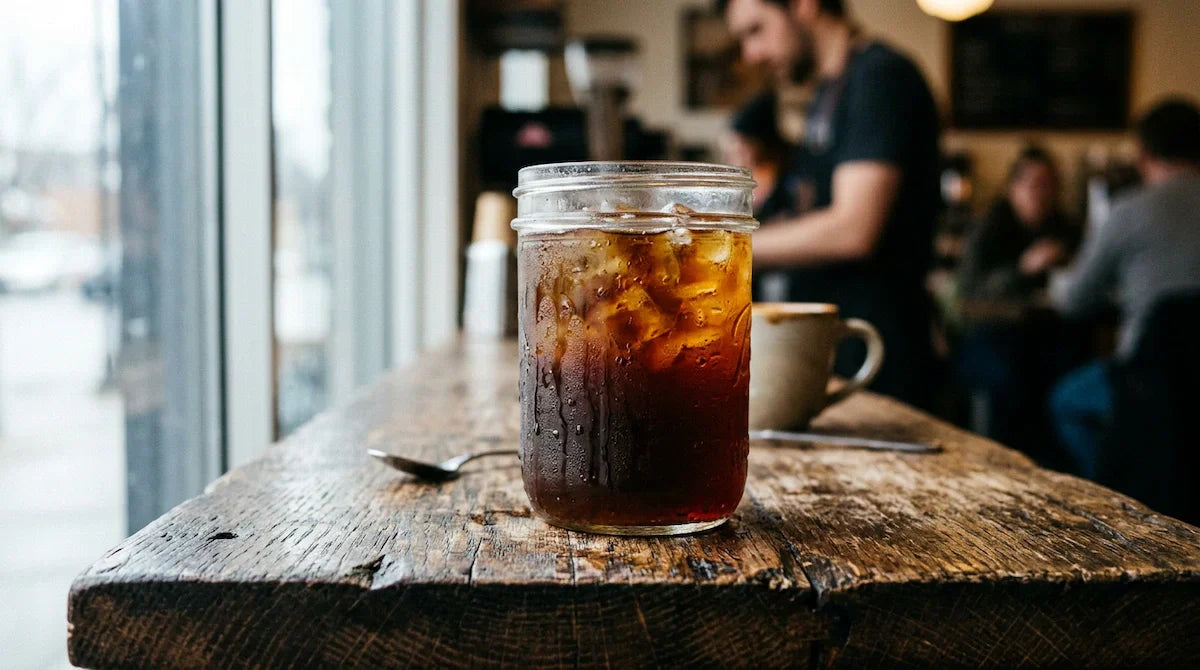
No machine, no brewing, no waiting. Ready to drink coffee is changing how a generation drinks its coffee.
Ready to drink coffee is one of the fastest-growing segments in the coffee world. The global RTD coffee market was valued at over 26 billion dollars in 2024 and is expected to grow toward 52 billion dollars by 2034. That is not a temporary hype. It is a structural shift in how people consume coffee.
But what exactly is driving that growth?
Convenience as the primary driver
Ready to drink coffee is coffee that can be consumed directly from the packaging, without brewing, without a machine. Can, bottle or carton. Cold or at room temperature. On the go, at the office or after exercise. It fits seamlessly into a lifestyle where time is scarce but quality still matters.
Younger consumers, particularly Gen Z and millennials, demonstrably choose RTD coffee more often than hot filter coffee. Starbucks reported that 75 percent of the drinks it sold in 2023 were served cold. The canned coffee trend has therefore moved from niche to mainstream.
What drives the RTD coffee market
Within ready to drink coffee, cold brew cans and nitro coffee are the fastest-growing formats. Cold brew suits the RTD format well because of the lower acidity that consumers appreciate, as also described in our article about caffeine and how it works. Nitro coffee adds nitrogen to create a creamy texture reminiscent of a barista-made drink.

Specialty RTD coffee is an emerging segment within the broader market. Small roasters and specialty brands are releasing single origin cold brew in cans, with the origin of the bean at the centre. That is a direct translation of what specialty coffee distinguishes from regular coffee into a format that appeals to the RTD consumer.
Quality difference versus freshly brewed
The biggest objection to ready to drink coffee has always been quality loss. That gap is narrowing. Improvements in cold extraction, nitrogen infusion and aseptic packaging mean that cold coffee drinks in cans are getting closer to the quality of freshly brewed coffee. Yet the flavour depth of a freshly brewed specialty coffee remains difficult to match in a ready-made format.
Curious what specialty coffee tastes like without the ready to drink format?
Santo Café comes from Mexico, bought through an importer we trust. Single origin Arabica, freshly roasted, for those who want to know exactly what is in their cup.

If convenience matters but quality matters more, this is a good place to start.

Taste our coffee from Mexico
Freshly roasted, delivered to your door.


