
How coffee conquered Europe and made the Netherlands a coffee nation
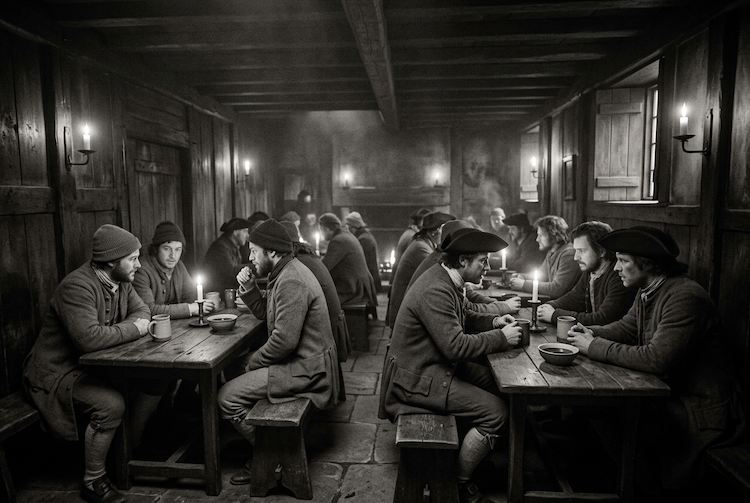
Coffee replaced beer as the morning drink and changed Europe forever. Here is how it started.
Coffee today seems so obvious that you do not think about it anymore. A cup when you wake up, a second at work, maybe a third after lunch. But there was a time when Europe had never heard of it.
That time ended in the 17th century, and what happened next changed Europe forever.
The history of coffee in Europe starts in Venice
Coffee reached Europe through Ottoman trade routes. Venetian merchants, who had traded with North Africa and the Middle East for centuries, brought the drink back with them. Around 1645 the first European coffeehouse opened in Venice. After that things moved fast.

In 1650 the first English coffeehouse opened in Oxford, run by a Jewish man named Jacob. Two years later London followed, and the city went wild for it. By 1663 London already counted more than 80 coffeehouses. People paid a penny for a cup and could sit for hours, talking, exchanging news. They called them the penny universities.
The 17th century coffeehouse as intellectual hub
The coffeehouse was not a pub. No alcohol was served. That was deliberate. While the rest of Europe drank itself through the day on beer and wine because water was unsafe, coffee produced a different state of mind. Clear, awake, focused.
The results were visible. Lloyd's of London, the famous insurance market, began as a coffeehouse where sailors and merchants exchanged information. The London Stock Exchange grew out of Jonathan's Coffee House. Ideas spread faster than ever, and the coffeehouse was where that happened.
The role of the VOC in Dutch coffee history
In the Netherlands things went slightly differently. Amsterdam was a trading capital and the VOC, the Dutch East India Company, had access to raw materials from across the world. The first coffee shipment arrived in Amsterdam in 1661. A year later the first coffee auction took place.

Initially coffee was expensive and exclusive, only for the elite. But the VOC shook up the market. By the end of the 17th century Amsterdam already counted around 32 coffeehouses. Students, merchants and scholars gathered there. And coffee culture spread across Europe from trading cities like Amsterdam and London to the rest of the continent.
Why the Netherlands became such a coffee nation
Today the Netherlands drinks more coffee per capita than almost any other country in the world. That is not a coincidence. The trading mentality, early access through the VOC and the coffeehouse culture laid a foundation that has held for centuries.
Coffee replaced beer and wine as the morning drink. Not out of habit but out of necessity and later out of preference. And that preference never went away. Want to know more about how coffee was first discovered before it reached Europe? Or curious about why coffee is getting more expensive today? History and the present connect more often than you think. And for those who want to read the full timeline, the National Coffee Association has it laid out clearly.

Taste our coffee from Mexico
Freshly roasted, delivered to your door.


