
Mexican coffee explained — why Mexico surprises as a coffee origin
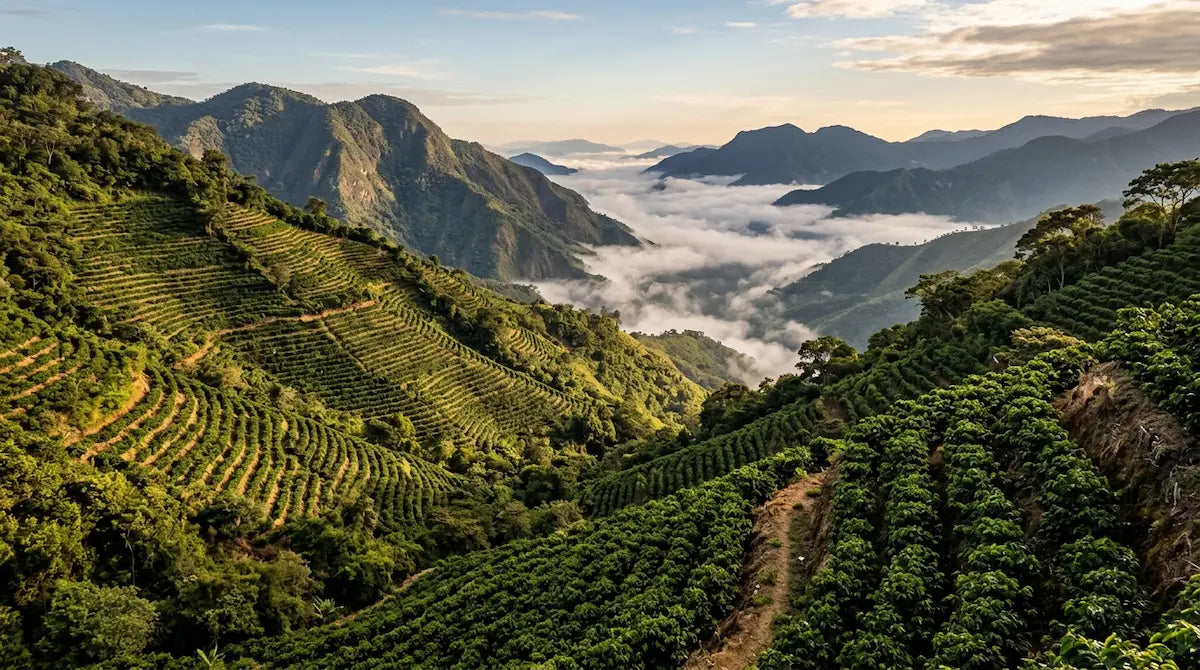
Mexico has been producing exceptional coffee for centuries. The world is only now starting to notice.
Most people know Mexico as the country of tequila, tacos and mariachi. What is far less well known: Mexico is one of the oldest and most versatile coffee-producing countries in the world. Mexican coffee has a long history, a rich growing landscape and a flavour profile that more than deserves its place in the specialty segment, but has only been receiving serious recognition in recent years.
A country with a rich coffee history
Coffee was introduced to Mexico at the end of the eighteenth century, via the Antilles and later Veracruz. By the middle of the nineteenth century it was already a serious export product. Today Mexico is one of the ten largest coffee producers in the world and the second largest producer of organically certified coffee globally. More than 97 percent of Mexican coffee grows in the shade of trees, a cultivation method that protects the soil, slows ripening and increases flavour complexity.
The vast majority of production consists of Arabica. Around 85 to 96 percent of coffee Mexico is Arabica coffee, grown in the mountainous southern states of the country.

Versatile regions, diverse flavours
What makes Mexico special as a coffee origin is the enormous diversity within the country. Mexico has 49 recognised coffee regions spread across 15 states. The four largest production areas, which together account for more than 90 percent of the harvest, are each completely different in character.
The southern mountain areas produce the most complex and highly valued specialty coffee Mexico. High altitude, volcanic soil, cool temperatures and sufficient rainfall create conditions that favour Arabica cultivation in a way that is simply not possible in the lowlands. Perfect Daily Grind describes Mexico as one of the most undervalued specialty origins in the world, with a quality potential that is only now being seriously explored by international buyers.
Flavour profiles vary greatly by region and processing method, but Mexican coffee is generally characterised by a mild, balanced body, a delicate acidity, and notes of nuts, cacao and sometimes citrus or light floral tones. High-altitude coffees, designated Altura or Strictly High Grown, show more complexity than coffees from lower-lying areas.
Small farmers as the backbone
Mexico has more than a hundred thousand coffee farmers. The vast majority cultivate on small plots, often family businesses that have been going for generations. That small scale is both a quality characteristic and a challenge. Manual harvesting, selective picking and personal attention to the land are the result of that tradition. But access to international markets and specialty buyers is limited for many small producers, which means Mexican coffee is often traded far below its actual quality value.

That is precisely why the rise of single origin coffee from Mexico is so relevant. Direct purchasing, fair prices and transparency about origin make it possible for the quality that was invisible to consumers for all those years to finally find its way into the cup.
Mexico in the specialty segment
The reputation of specialty coffee Mexico is growing. International buyers and roasters are discovering that Mexican lots can compete with coffees from Colombia, Guatemala and Ethiopia when carefully sourced and processed. A new generation of Mexican coffee entrepreneurs and exporters is actively working on that visibility, with better quality control, investment in processing and participation in international cupping competitions.
Mexico was always a good coffee country. It is now finally being recognised as such.
Taste what Mexico has to offer
Santo Café comes from the mountain regions of Mexico, where small farmers grow Arabica at altitude. We buy it through an importer we trust. The flavour profile is clear, balanced and fully traceable back to its origin.

Mexico has always produced exceptional coffee. Now is the moment to taste it.

Taste our coffee from Mexico
Freshly roasted, delivered to your door.


