
Why coffee from Chiapas tastes different from the rest
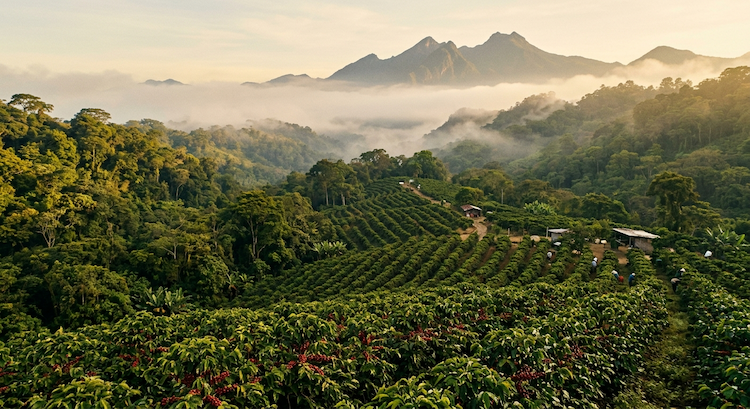
In Chiapas, coffee grows on volcanic soil at over 1400 metres above sea level, surrounded by cloud forests — and you taste every bit of that in your cup.
There are hundreds of places in the world where coffee grows. Chiapas is not the most famous one. Not even close. But people who know coffee tend to have a soft spot for it and I think I understand why.
The altitude thing
Chiapas is in the deep south of Mexico. Guatemala is basically next door. The coffee comes from up in the Sierra Madre mountains, somewhere between 1200 and 1800 metres depending on the farm. Some go higher.
The altitude factor Not freezing but cold enough that the cherries take their time. And that time is the thing. This slow ripening process results in cherries with more taste in it — more sugar, more of the complexity that makes you actually pay attention to what you're drinking in the moment itself.
Mexican coffee from this altitude has a sweetness that was never added by anyone. It just grew that way.
What's under the soil
Volcanic ground. The whole region sits on it. Good for coffee in ways that are hard to fully explain — minerals, drainage, moisture retention. The kind of soil that doesn't fight the plant.
Then there are the cloud forests around the growing areas. Mist in the mornings, natural shade, high rainfall. A lot of farmers keep trees above their coffee plants on purpose because of what that shade does to ripening speed. Slower again. Always slower.

What comes out of all that is a specialty coffee that's light bodied with soft cocoa and sometimes something like dried fruit or brown sugar sitting in the background.
Quiet flavours. Nothing that hits you over the head. The kind of cup you finish and then immediately think about making another one, just because of how delicious it is.
Colombia, Ethiopia, and where Chiapas fits in the story
Colombian coffee is the dependable one. Full, nutty, consistent. Ethiopian is almost the opposite — loud and floral and sometimes so fruity it surprises people who aren't expecting it. Single origin coffee from Chiapas doesn't really do either of those things.
It's somewhere in the middle but that description doesn't quite do it justice. It's more that it doesn't have an agenda. It just tastes good in a way that works for a lot of different people, which is rarer than it sounds. First time trying specialty coffee? Chiapas is probably the easiest place to start.
The part that actually determines what ends up in your cup
Growing conditions can be perfect and the coffee can still be forgettable. That happens more than people realise. A few too many middlemen, a few too many months in transit, a farmer who has no reason to keep his best lots separate from his average ones — and suddenly that perfect altitude and volcanic soil counts for nothing.
When someone buys directly from the farmer in Chiapas something shifts. The farmer knows where his coffee is going and who cares about it. The buyer knows the farm, the altitude, the processing method, the harvest. Nothing gets lost in the chain because there isn't much of a chain.
Santo Café doesn't buy directly, but through an importer.
Same mountain. Completely different coffee depending on how it was bought. You can read more about how that journey actually works — it's more involved than most people expect.
Chiapas doesn't have the profile of Ethiopia or the reputation of Colombia. Probably won't for a while. But according to Perfect Daily Grind it consistently produces lots that score as well as either of them. That gap between quality and recognition is exactly what makes it interesting right now.

Taste our coffee from Mexico
Freshly roasted, delivered to your door.


