Why coffee prices hit record highs in 2026 and what it means
Coffee prices 2026 hit record highs as the coffee market tightens. Why arabica prices climb and why specialty coffee tells a different story.
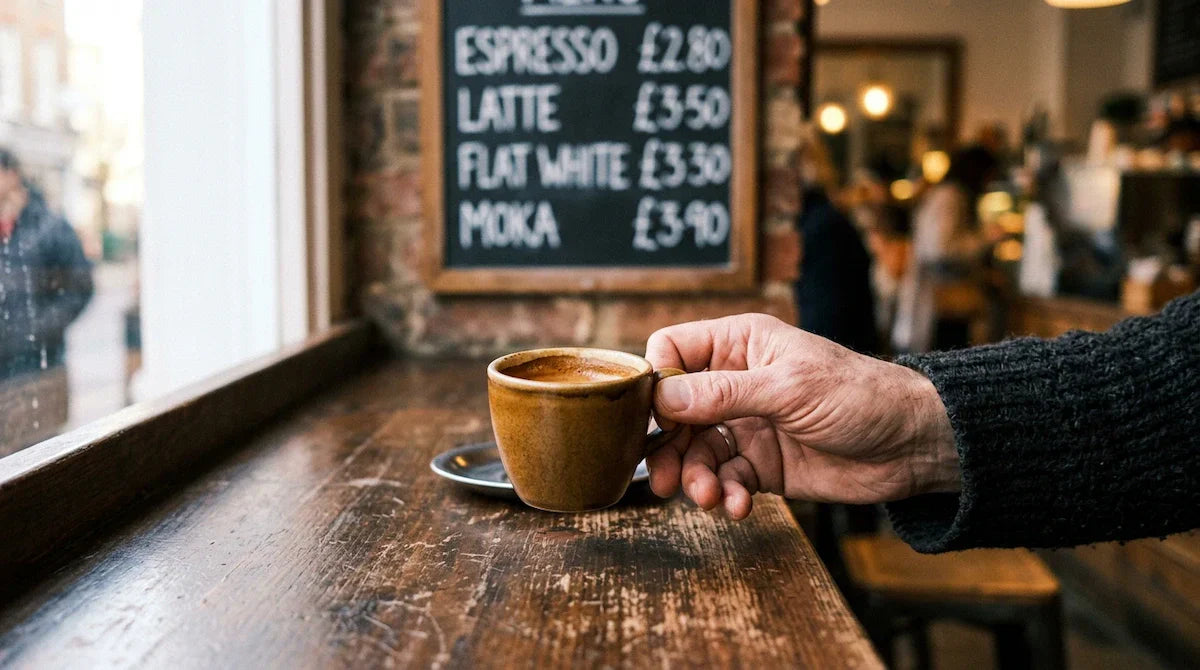
Most people noticed it at the cafe counter. A flat white that cost four euros eighteen months ago now sits at five euros twenty. Coffee prices 2026 marked a structural shift when arabica futures touched 3.80 dollars per pound on the ICE exchange in January, the highest level since mid-December. Coffee prices 2026 are not a temporary spike. They are the new floor.
What happened on the exchanges
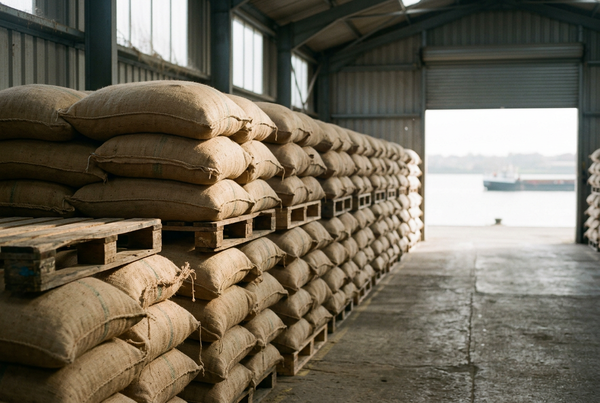
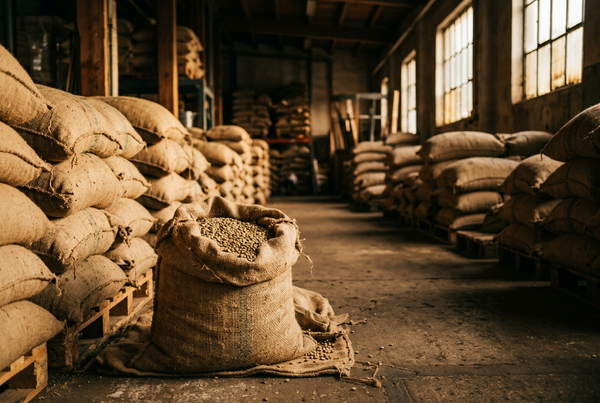
ICE arabica peaked near 3.80 dollars per pound in January 2026, while robusta inventories fell to a two-year low of 3,642 lots by mid-May. Certified arabica stocks sat at 471,831 bags, well below historical averages. The arabica price has been pulled up by low inventories, a strong Brazilian real that holds back exports, and a 2026-27 crop still in the bean-formation phase where drought spells trouble. The coffee market in 2026 sits in a transitional phase after two years of tight supply, with prices retreating slowly rather than collapsing.

Why supply got so tight
Brazil produces nearly half the world's arabica. Five years of climate volatility, including severe drought in 2024, dented yield forecasts for two consecutive harvests. Arabica is biennial by nature, so 2026 was already set to be an off-year before climate pressure compounded the deficit. Vietnam, the largest robusta producer, faced its own weather shocks. When two origins that cover roughly two thirds of world production stumble at the same time, the coffee market has no buffer.
What this means at the cafe and at home
Roasters and cafe owners are absorbing what they can, but the math has limits. Wholesale roasters take roughly two thirds of the gross margin on every pound sold to cafes, which means cost spikes hit independent shops hardest. Expect cafe prices to keep climbing through coffee prices 2026, especially for single-shot espresso drinks built on arabica. Home consumers see the same pattern at the supermarket shelf, where a 250g bag that cost 7 euros two years ago now sits closer to 9 or 10 euros.

Why concentration risk matters
The deeper story behind coffee prices 2026 is concentration. When roasters source most of their volume from Brazil and Vietnam, any shock in either origin moves the entire global coffee market. Specialty coffee buyers who diversify across smaller origins like Mexico absorb less of that volatility. Mexican beans from the Chiapas highlands carry their own price curve, more tied to local harvest cycles than to ICE futures. Single origin coffee from these regions does not move in lockstep with the Brazilian crop.
The takeaway for everyday drinkers
Specialty coffee offers a different value proposition than commodity-grade beans. A bag bought directly from a roaster carries traceability, freshness, and flavor depth that commodity beans cannot match. The arabica price will keep moving with the weather. The cost per cup at home, even at 10 euros for 250 grams, still comes out below 50 cents per brewed cup.

Drink the coffee behind the writing
Freshly roasted, delivered to your door, with a fair deal behind every bag.