
Why Gen Z Is Killing the Espresso Shot and What Cafes Are Doing About It
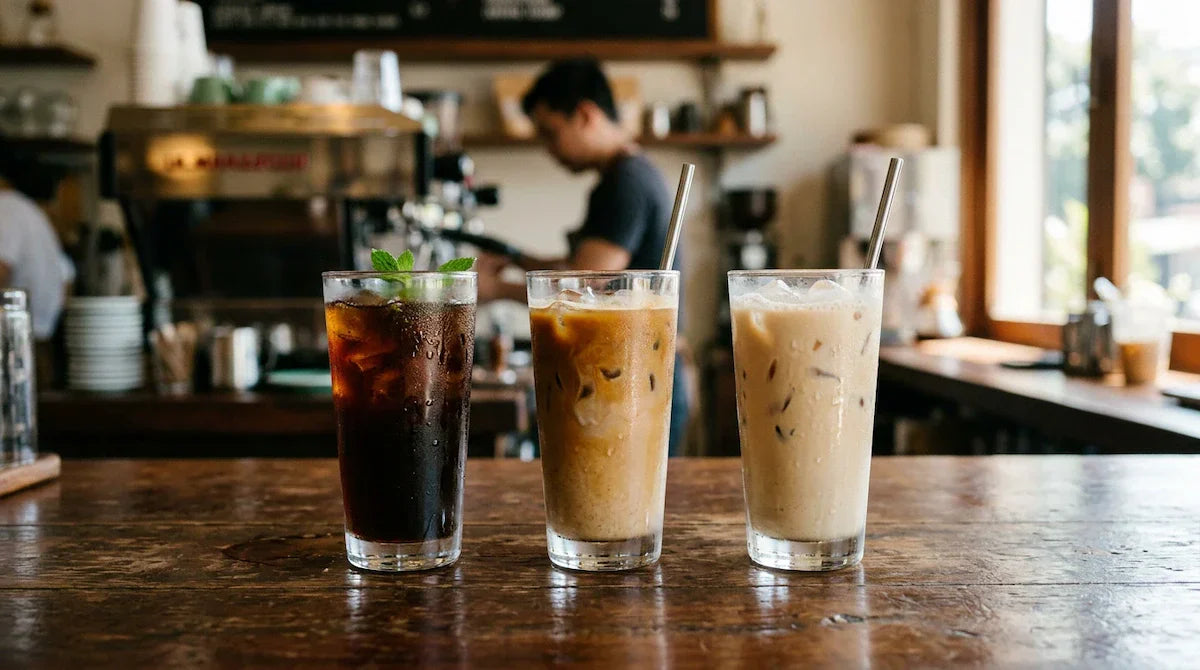
Iced coffee, cold brew, and longer drinks now outsell espresso shots in many specialty cafes. What the generational shift means for coffee.
A barista at a specialty cafe near Boxhagener Platz in Berlin pulls 40 iced lattes before lunch. Not one straight espresso. The machine runs hot the whole shift, but nobody is drinking the shot on its own.
This is not a heatwave story. It is happening in February too. The espresso decline among younger coffee drinkers is one of the clearest signals on a specialty cafe menu right now, and the data has caught up with what baristas already knew.
What the numbers actually show
Square's 2024 cafe data put iced drinks at 60% of orders for customers under 30 in the US. UK and EU specialty cafes report similar splits in summer, and the winter gap is closing fast. Starbucks crossed a 75% iced-to-hot ratio in the US in 2023 and never looked back.
Cold brew growth tells the same story at a different scale. Allied Market Research valued the global cold brew market at roughly $500M in 2018 and projects $1.6B by 2027. That kind of curve does not come from a passing trend.

Why younger drinkers default to iced and longer
Younger coffee drinkers grew up with cold drinks as the default. Soda, sports drinks, bubble tea, energy drinks. The espresso shot is a flavor profile that demands attention and rewards stillness. Iced and longer drinks fit a different rhythm: walking, working, scrolling, sharing.
There is also a sensory layer. Gen z coffee trends consistently favor sweeter, milkier, less bitter profiles. Oat milk smooths the cup. Ice dilutes the punch. A long format gives the drink room to breathe and lets fruit and chocolate notes come forward instead of the dense, concentrated bitterness of a ristretto.
And the social piece matters. Perfect Daily Grind reported in 2024 that 18-to-30 customers were 3x more likely to order a drink they could photograph than an espresso. A clear glass of layered cold brew with milk is content. A 25ml puddle of brown liquid is not.
How cafes are rebuilding their menus
The specialty cafe menu in 2026 looks different from 2019. The two-group machine still sits at the center of the bar, but the workflow around it has shifted. Cafes in Berlin and Amsterdam now budget for double the cold brew tanks they ran pre-pandemic. Batch brew taps have multiplied. Some cafes have added kegerator setups for nitro cold brew on draft.

Menu boards have rebalanced too. The specialty cafe menu used to lead with espresso, americano, flat white. Now iced filter and signature cold drinks sit at the top, with the espresso list tucked underneath. The cafe revenue mix follows the layout.
What it means for roasters and home brewers
Roasters are noticing. Lighter, fruit-forward profiles travel better on ice than dense, chocolatey roasts built for milky espresso. Several Dutch and German roasters have launched cold-specific blends in the last two years. The iced coffee shift is reshaping green buying decisions upstream.
For home brewers it cuts the other way. The same beans pulling clean shots on a home machine also make sharp cold brew if you adjust the ratio. The ready to drink coffee aisle keeps growing, but the home setup is cheaper per liter and tastes better when the beans are fresh.
Want beans that work hot and cold?
The format you drink does not need to limit the coffee you choose. Santo Café roasts single-origin beans from Mexico in small batches, with a profile that pulls clean on espresso and holds up on ice.

Taste our coffee from Mexico
Freshly roasted, delivered to your door.


