
Regenerative coffee gets a number: 300,000 coffee farmers by 2030
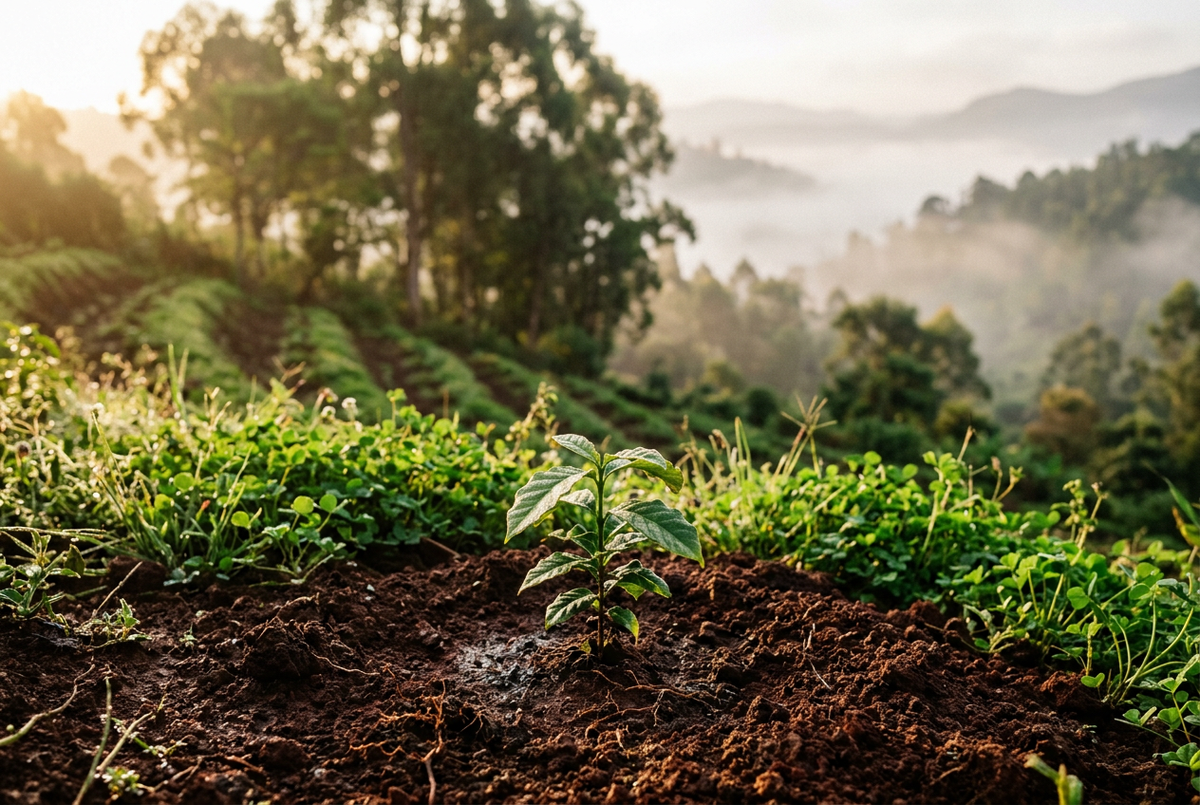
A four year program has put countable targets behind regenerative coffee: 300,000 farmers and 500,000 tonnes a year by 2030.
On August 11 a round table in Hanoi produced the thing sustainable coffee pledges usually lack: numbers with a deadline attached. IDH, the Dutch sustainable trade organisation, used the meeting to launch a four year program covering Vietnam, India, Colombia and Uganda. It says how many growers it wants to reach, how much coffee it wants to change and by when. Whether it gets there is a separate question. The targets are at least countable.
What was launched in Hanoi
The Resilient Coffee Program runs from 2026 to 2030 and is built as a pre-competitive investment platform, which is a formal way of saying that rival buyers pay into the same pot instead of each running a private scheme. The ALDI SÜD Group signed on as the first front-runner investor, starting with robusta in Vietnam. IDH published the launch announcement on the day of the round table, and is openly recruiting more roasters, traders and governments to co-invest.
The numbers behind regenerative coffee
Two figures carry the whole thing. Around 500,000 tonnes of regenerative coffee a year by 2030, and roughly 300,000 coffee farmers reached across the four countries in the same window. Both are targets rather than results, and the program is less than two weeks old. What makes them worth reading is that they can be checked later, which is more than most of the language printed on a bag will ever allow.

Why Vietnam went first
Vietnam is the world's second largest coffee producer and the first country component to launch. Climate change is not an abstraction there. The 2024-25 drought cut national output by around 20%, and late season flooding in the Central Highlands left some farms needing up to two crop cycles to recover. IDH puts the yield losses that climate shocks are already causing across producing countries at 10% to 30%.
The Vietnamese leg targets around 75,000 growers, roughly 10% of the country's coffee growing households and about 14% of its coffee area. It also aims at a 15% rise in farmer incomes, which puts it in the same conversation as instruments like the Fairtrade minimum price rather than in competition with them.
Who gets to define regenerative
Nobody owns the word, so the definition matters more than the label. The program uses the Sustainable Agriculture Initiative Platform's Regenerating Together framework to decide what counts as regenerative agriculture, and aims for adoption across up to 70% of participating farms. Around that sit shared measurement, reporting and verification systems, traceability and co-claiming rules, so two buyers cannot bank the same tonne of progress twice.
The emissions target is specific: an estimated 240,000 tonnes of CO2 avoided in Vietnam, about 15% below the 2026 baseline. The money is also aligned with the EU Deforestation Regulation, which already forces the tracing part on any coffee entering Europe, whatever a buyer thinks of regenerative farming.

What it means at the shelf
Very little in 2026, and that is the honest answer. Nothing here puts a mark on a pack in a Dutch supermarket this year, and no verification system tells a drinker whether what is in the cup tastes of anything. Coffee production has never been short of warm words about growers.
The part worth borrowing is the format. Next time a bag makes a green claim, look for the countable bits: a named framework, a percentage, a year. Claims built that way can turn out to be wrong. Claims built the other way cannot even be checked.

Taste our coffee from Mexico
Freshly roasted, delivered to your door.


