More American adults drink specialty coffee than regular coffee
The share of American adults drinking specialty coffee in a single day reached a record 48%, and for the first time it sits above regular coffee.
Something shifted in the way American adults drink coffee this year, and it was not the amount. Specialty coffee reached 48% past-day in June 2026, a record, and for the first time more American adults reached for it than for a traditional cup. The total held still at 66%. What moved was the kind of coffee in the cup.
Overall coffee consumption did not move at all
Past-day coffee consumption sat at 66% of American adults in the 2026 National Coffee Data Trends Fall Report, released on 15 September. Coffee is still drunk by more American adults each day than any other beverage, tap and bottled water included. Most of that happens quietly, and 83% of past-day drinkers have coffee at home. The figure that moved is the other one: out-of-home drinking reached 38% of past-day drinkers, the highest reading since January 2020.
Espresso-based drinks are doing the work
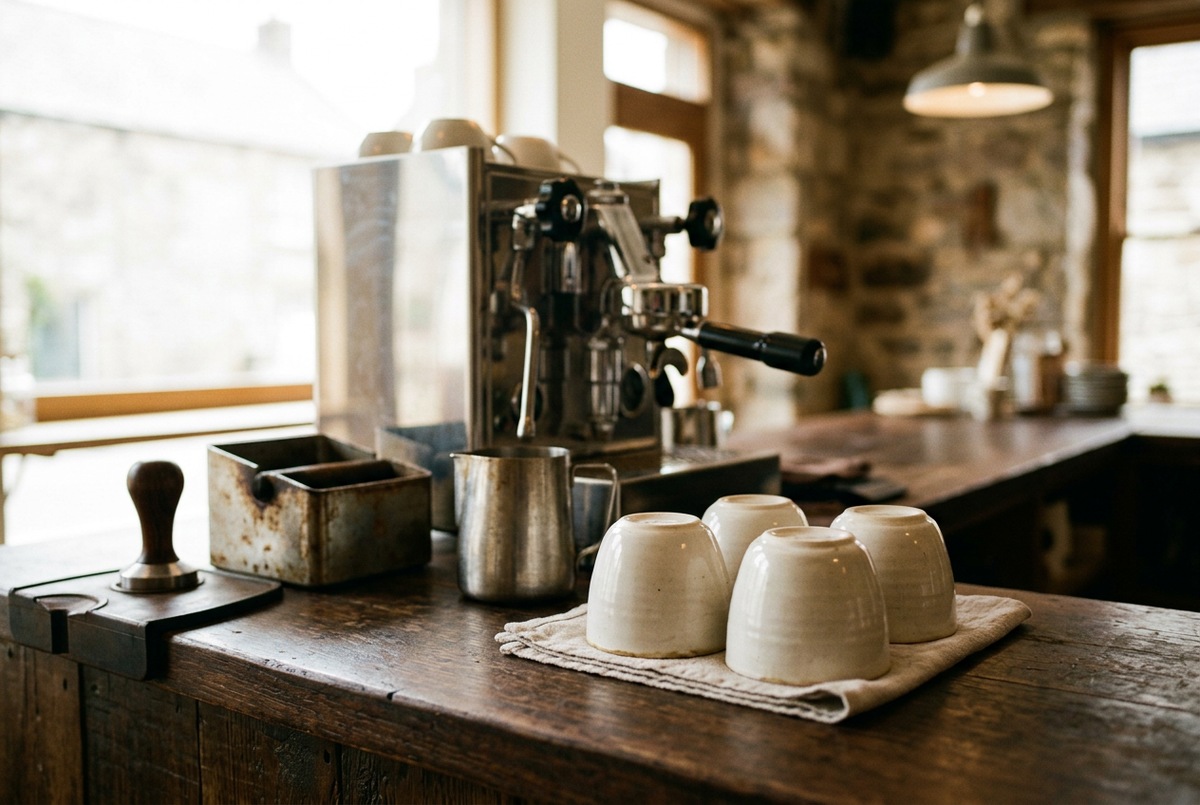
A record 47% of American adults had an espresso-based beverage in the past week, up by 17.5% since 2022. That is the engine underneath the specialty figure, because lattes, cappuccinos and mochas are what most people mean when they order something other than brewed coffee. Anyone who has chased a decent shot at home knows how much sits behind that order, from the grind to the 9 bar convention most machines are built around. Espresso-based drinks carried the past-week number to its highest point on record.

How the out-of-home cup gets ordered
Among people who bought coffee away from home in the past week, 55% used a drive-thru and 40% ordered on an app. Neither habit is exotic any more. The app share is a record for this survey, which has been asking the same question long enough for that to mean something.
What gets carried home, and how cold it is
Grocery stores still lead for coffee bought to brew at home, but their share fell to 35% from 42% in January 2026, while mass merchandisers climbed to 28% from 23%. The summer reading tilts cold as well: 21% of past-day drinkers had cold coffee against 71% who had a hot one, where the January 2026 survey gave 17% and 78%. Across a longer run the cold share is up from 16% in 2022. Numbers from a June survey describe a season as much as a trend, and what cold water actually changes in the cup is a separate question with its own figures.

The survey behind the numbers
The National Coffee Data Trends has been commissioned since 1950 and now runs twice a year. Fieldwork for this edition ran from 8 to 24 June 2026, carried out by Dig Insights among a nationally representative sample of 1,882 Americans aged 18 and over. Drinking coffee was not a requirement to take part, which is what lets the survey report a share of all adults instead of a share of coffee drinkers.
The comparison to make is with the January edition, since that is where the 17% and 78% pair came from. American coffee drinkers curious whether the specialty share keeps climbing can start with the survey's own two questions at their own table: what was in the cup yesterday, and where it was bought. Coffee habits show up faster in a week of your own cups than in a percentage.

Drink the coffee behind the writing
Freshly roasted, delivered to your door, with a fair deal behind every bag.