
Coffee prices 2025 hit a record — here is why
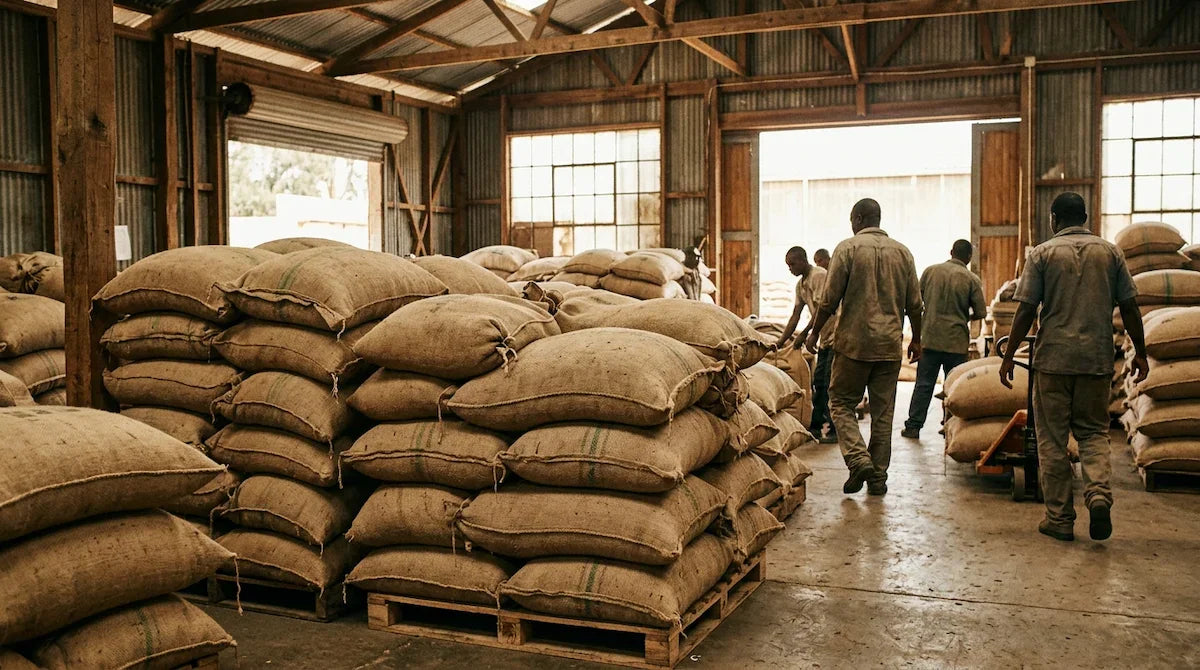
Coffee was more expensive in 2025 than ever before — and the cause runs deeper than your cup.
In 2025, coffee lovers around the world paid more for their cup than ever before. Coffee prices 2025 broke records almost daily, with increases for Arabica beans running to more than 75 percent compared to early 2024. How did it get this far?
Climate as the main cause
The primary driver behind the rising coffee market is climate change. Brazil, responsible for around 37 percent of global coffee production, has faced persistent drought and unexpected frost periods in recent years that destroyed large parts of the Arabica harvest. Vietnam, the world's largest Robusta producer, dealt with flooding and irregular rainfall that significantly reduced harvest yields.
The result is a structural shortage on the world market. Coffee plants take several years to recover from extreme weather conditions, meaning the effects of one bad harvest continue to ripple through the supply chain for years.
Speculation and new regulation
Besides climate problems, speculators play a role. When traders on the futures market expect the Arabica price to rise further, they buy up large stocks. That pushes prices higher still, independent of actual harvest figures. The International Coffee Organization shows that the market price for Arabica in 2025 structurally exceeded three times the multi-year historical average.

On top of that comes the new European EUDR legislation. It requires importers to make coffee fully traceable back to the farmer, in order to combat deforestation. Importers who still needed to prepare built up larger stocks to meet future requirements, which increased pressure on supply and made coffee more expensive.
Growing demand, shrinking supply
At the same time, global demand for coffee is increasing. Particularly in Asian markets such as China and India, coffee consumption is growing quickly. Countries that traditionally drank tea are increasingly turning to coffee, which enlarges the supply deficit further. The combination of less production and more demand is the most direct explanation for the record prices.
What this means for the Dutch consumer
For consumers in the Netherlands, the higher coffee market price translates into more expensive coffee in supermarkets and higher prices at cafés. Supermarket coffee rose by around 15 percent on average in 2025. Specialty coffee followed that rise to a lesser extent, because it follows a different market logic than bulk coffee and is purchased more directly from producers.
Coffee from countries like Mexico, where Mexican coffee is grown at altitude and is more protected from the worst climate extremes, shows that geographical diversification and sustainable growing practices can offer a buffer against the most volatile swings in the coffee prices 2025 market.
Whether prices stabilise in 2026 depends largely on harvests in Brazil and Vietnam. Until that clarity arrives, the coffee market remains tense.

Taste our coffee from Mexico
Freshly roasted, delivered to your door.


