
Fourth wave coffee explained — what it is and why it matters now
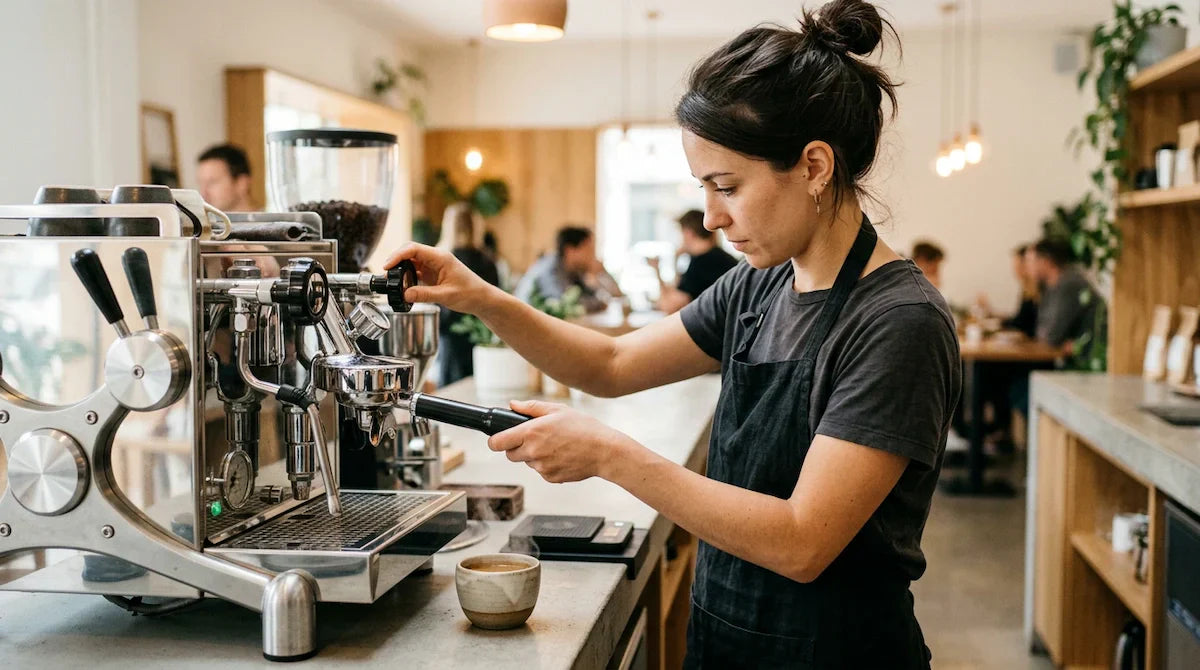
The third wave made coffee an art form. The fourth wave is asking who that art actually serves.
The coffee industry has waves. Each wave describes a shift in how people experience, appreciate and produce coffee. Fourth wave coffee builds on what the third wave began, but adds something new: science, technology and a deeper sense of responsibility.
The three waves in brief
The first wave was coffee as a mass market. Instant coffee, a jar on the counter, coffee as fuel. The second wave brought the coffee bar as an experience, with Starbucks as its symbol: a place to stay, a drink with a name. Third wave coffee brought specialisation, transparency and craftsmanship. Single origin, pour-over, cupping, the farmer's name on the packaging. Coffee as a craft, comparable to wine.
Fourth wave coffee is not a break with the third. It is a deepening of it, driven by three forces: science, technology and ethics.
Fermentation as a flavour tool
One of the most visible expressions of coffee innovation in the fourth wave is the rise of experimental processing methods. Anaerobic fermentation, where coffee cherries are processed in oxygen-free environments, produces flavour profiles that simply did not exist ten years ago. Carbonic maceration, borrowed from the wine world, gives coffee a fruitiness and complexity that goes far beyond what terroir alone can produce.

That innovation is not without debate. Perfect Daily Grind describes how veterans in the specialty world question whether experimental fermentation celebrates or obscures the purity of coffee. The debate itself is characteristic of the fourth wave: the industry is thinking out loud about what quality truly means.
Technology closer to the bean
Technology plays a bigger role than ever in the production and preparation of coffee. Precision brewing equipment with digital temperature control and pressure profiles makes it possible to repeat extraction with a consistency that was previously only achievable in a laboratory. Traceability systems allow consumers to follow the origin of their beans step by step. And AI is being used in roasting to predict and optimise flavour profiles.
For specialty coffee Netherlands, this means the bar for what counts as quality is rising continuously, both in the coffee bar and at home. Anyone who understands what single origin coffee has to offer will notice that the fourth wave only sharpens that promise.

Ethics as foundation
Fourth wave coffee goes beyond flavour. Sustainability, fair prices for farmers and climate resilience of cultivation are no longer a side note but a core part of the story. The coffee trend 2025 shows that consumers are asking questions that were rare ten years ago: who grew this coffee, what did they receive for it and what does production do to the soil and landscape?
Third wave coffee made transparency popular. The fourth wave makes it structural. That is the difference.

Taste our coffee from Mexico
Freshly roasted, delivered to your door.


