Mexican coffee production is at a ten-year high after the rust
The crop is back to where it was before the rust, but it did not come back as the same crop.
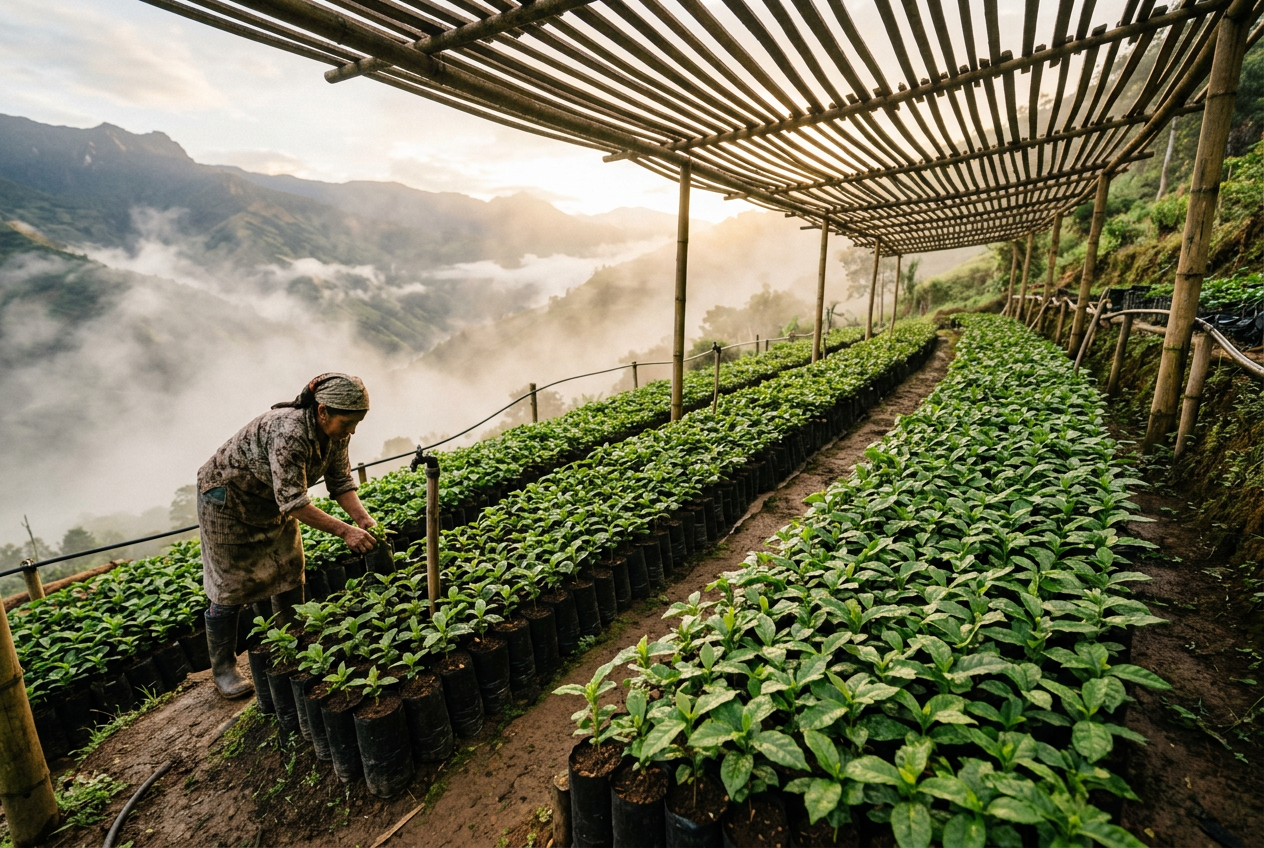
The nurseries went up in 2014. The trees they raised did not bear a crop worth counting until 2019, which is why the numbers for Mexican coffee production only look good now. The Foreign Agricultural Service of the USDA puts the 2025/26 harvest at 3.9 million 60-kilogram bags, the strongest in roughly a decade.
What 3.9 million bags actually contains
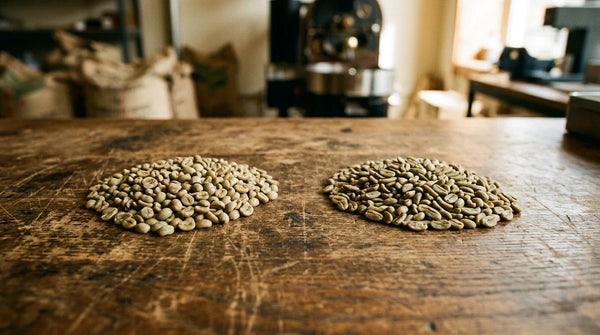
Of that total, 3.54 million bags are arabica coffee and 363,000 are robusta. The split matters more than the headline figure. Mexico sits around tenth in the world by volume and fifth among arabica growers, so its weight in the market has always come from the species rather than the tonnage.
The collapse that coffee leaf rust caused
Roya reached Central America in 2013 and crossed into southern Mexico the following year. AMECAFE, the national coffee association, reported the 2013/14 crop down 40 percent. Output bottomed at 2.8 million bags in 2015 and clawed back to 3.1 million in 2016. Chiapas, Veracruz, Oaxaca and Puebla took the worst of it.

Why did it take twelve years to come back?
Because a coffee tree does not answer quickly. SAGARPA, the agriculture ministry, set up around 35 nurseries in the hardest-hit states to raise varieties that could resist coffee leaf rust, and set a target of renovating at least 250,000 hectares before 2018. A replanted tree needs roughly four years before it produces, so nobody running the programme expected a rebound before 2019. That left coffee farmers in Mexico carrying four years of cost on trees that returned nothing. The latest USDA country report credits the current gain to strong yields, government-backed planting in Puebla and Veracruz, and high international prices that let growers pay for maintenance they had been deferring.
The crop that came back is not the crop that was lost
Mexico has been an arabica country for as long as it has grown coffee for export. The 363,000 bags of robusta in this forecast are small against 3.54 million, but the direction is new, and it shows up in how coffee farmers in Mexico now think about replanting. Robusta tolerates lower ground and warmer weather, and it fruits faster.
The people making that choice are not estates. More than half a million Mexicans grow coffee, and somewhere between 90 and 95 percent of them work under three hectares, averaging close to 2.9. Many sell through coffee cooperatives that formed in the 1990s to reach export buyers directly, and that structure is a large part of why the country became one of the biggest suppliers of certified organic coffee.

Reading it off the bag
A bag that says only Mexico tells you nothing about which side of this recovery it came from. One that names Veracruz, Oaxaca, Puebla, or sells itself as Chiapas coffee, is telling you it came from arabica ground that was replanted and is now bearing. Specialty coffee roasters usually print the crop year as well.
Check the next bag for a state and a year.

Drink the coffee behind the writing
Freshly roasted, delivered to your door, with a fair deal behind every bag.